


SCENE DJS

LEE HARRIS
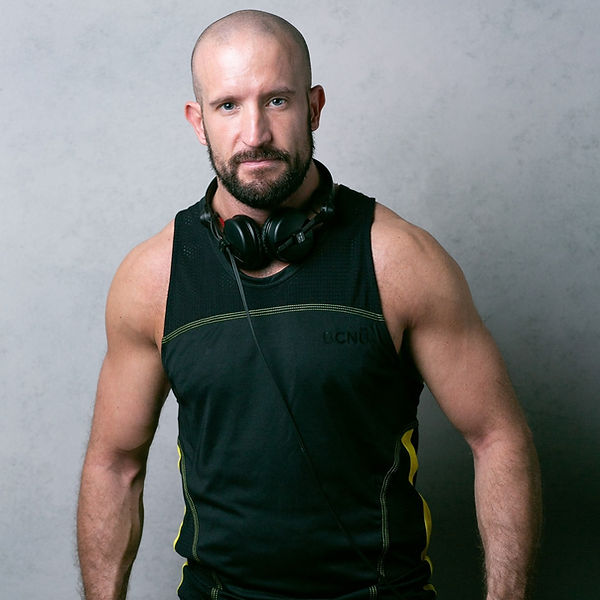
Lee Harris was one of the London scene’s most popular DJs.
From his first residency at UK superclub, Slinky, back in 1999 - to later winning the Ministry of Sound Magazine’s DJ competition.
Lee went on to be one of the most bookable DJs - both at home & abroad.
His varied career has included residences & bookings at Coronet (London), Fire (London), Drieze (Montpellier), Tignes (France), Keleous 8 (Greece), central studios (Utrecht), Escherwyss club (Zürich), Aura (Vancouver), The academy (Dublin) Audio (Brighton), 560 (Vancouver), MG (Milan), Ministry of sound (London), Tiergarten (nurnberg), Melusina (Luxembourg), Void (Manchester), Ramee Grand (Bahrain), 1181 (Vancouver), Xtra (Zürich), Opera House (Bournemouth), Cafe de Paris (London), The end (London), Spin (Dubai) to name just a few, alongside gay prides around the world including Manchester, London, Vancouver, Zürich, Montpellier, Brighton & European Gay Ski Pride.
Lee’s podcast - HouseNation UK has had a massive 4.5 million downloads & he continues to dominate the iTunes music podcast.
His passion & creativity, as well as his mixture of chunky baselines, big beats, uplifting synths & thumping hands in the air’ house has ensured his name will remain as one of the most memorable DJs from our scene.
Lost Gay London sends our condolences to Lee's partner and family.
R.I.P Lee Harris - August 2025
'We shared such a mutual love of music and nightlife and I know that one of Lee’s greatest joys in life was sharing his music and passion with everyone.'
- Paul Heron


Tony De Vit

Antony/Tony de Vit
(12 September 1957 – 2 July 1998)
Tony was an English DJ and music producer.
He is considered one of the most influential of his generation.
Tony was credited with helping to take the "hard house" and fast "hard NRG" sounds out of the London and Birmingham gay scene into mainstream clubs.
His single "Burning Up" reached number 25 on the UK Singles Chart in March 1995, with "To the Limit" making number 44 in September 1995. During that year, he won BBC Radio 1 Essential Mix of the Year Award, as voted by listeners of the show, and Music Week's re-mix of Year Award for Louise's "Naked".
Tony remixed several UK top 40 hits during his career with artists such as Taylor Dayne and East 17. Between 1994 and 1998 his popularity with the clubbing public was rivalled by only Paul Oakenfold and Carl Cox.
In September 2010, Mixmag UK announced the nominations of 35 DJs chosen by other big names in the world of dance music as those they considered the best DJs ever. A subsequent 15-month survey, which polled hundreds of thousands of global votes, asked who was the "greatest DJ of all time" and when the result was announced in January 2011, Tony was ranked number 9 in the world.
Tony played many clubs in his time, however he really was considered 'Best of the best' at Trade at Turnmills, London, to which he still has a huge faithful fan base.


Lord Kaos
aka Dominic Sinclair
Born Dominic Sinclair but known across London’s underground as Lord Kaos, he emerged from the smoky railway arches and warehouse parties of the early 1990s techno scene with a reputation for relentless, industrial-driven sets and uncompromising energy behind the decks.
A regular figure in the capital’s late-night circuit — from illegal dockside raves to legendary club spaces beneath Charing Cross — Lord Kaos became associated with the darker edge of UK techno at a time when London’s electronic culture was evolving at full speed.

He is best known as one of the creators of the cult techno anthem “Dark Forces”, a track that fused pounding percussion, distorted synth textures, and ominous atmospheres into a sound that captured the raw intensity of Britain’s underground rave movement.
The record gained notoriety through pirate radio, white-label circulation, and heavy rotation in underground clubs, eventually becoming a staple of early 90s hard techno sets.
Drawing influence from Detroit techno, EBM, acid house, and the emerging European industrial scene, Lord Kaos built a reputation for marathon DJ performances that blurred the line between machine funk and controlled chaos. His sets were known for deep, rolling basslines, militant rhythms, and sudden transitions that pushed dancefloors into near-hypnotic states.
Though elusive and rarely seeking mainstream attention, Dominic Sinclair became a respected figure among dedicated ravers and crate-diggers, remembered as part of the generation that helped define London’s darker underground sound long before techno became commercialised.
 |  |  |  |  |  |
|---|---|---|---|---|---|
 |

Blu Peter

Peter Harris (born 1961), popularly known as Blu Peter, is a British electronic dance music producer and disc jockey from South Wales, who pioneered the nu-NRG music genre in the late 1990s.
In the early 1990s, he served as resident DJ at major London nightclubs Heaven and Turnmills and has performed at raves and nightclubs around the world.
After establishing his DJ career, Peter began producing original music as Blu Peter.He released dozens of 12-inch singles, CD singles, and remixes, many through React Music Limited of London.
In 1999, he released his first full-length studio album, Widescreen & Digital.Peter also partnered with Kevin White to form a production duo called Elevator. Together they co-produced numerous singles and EPs from 1994 through the early 2000s.
Peter has also produced and co-produced a small number of singles and remixes under the aliases Blu Peter & Sal, The Groove Council, Quench, and Mass.As Blu Peter, he's compiled volumes 8, 9, 10, and 12 of the Reactivate techno and trance compilation album series.


Brent began his career in Sydney in the 1990’s and played a large part in the underground warehouse, circuit, party and gay scene. This is where he forged his reputation as a globally respected DJ.
He was a regular at the famous Sydney Mardi Gras Party and the associated Sleaze Ball…at one point playing up to 20 000 at one event.
On the Sydney gay scene, he graced most clubs including the historic DCM, The Albury, The Unicorn & Black Market. He has also played for The Exchange, The Midnight Shift, The Oxford, Gilligans, Stonewall, Arq, Frisky….you name it, he has spun there.
Moving to London in 1995 he continued his DJ career playing at clubs like Heaven, Ku, Barcode, Trade, Beyond, Escape, Madam JoJos, Matinee London, Space London, Shadow Lounge, Juicy, As One, Playtime, Profile, Lo Profile, Salvation, Ultra and Crash as well as numerous warehouse parties and events such as the Hustlaball London, Universe, Famous 5 to name a few.

He currently can be found spinning at Bars like Rupert Street, Village & Compton’s of Soho. Brent’s versatility as a DJ is expressed at the various clubs and and events he plays for including fetish clubs and events such as Hard On, Hotwired, Alert (Manchester) & Sexcircus compared to the ‘glamorous and costumed styled’ events such as the Wig Party and the Masked Ball or global circuit parties such as Delice Dream. Each event demanding a different sound which Brent aptly delivers.
Brents philosophy of music is to be a ‘teacher’ and an ‘entertainer’ and the interplay of these two roles.
Internationally he has spun around the world at parties and events from 200 to 20 000 people and in cities that include Toronto, Montreal, Auckland, Sydney, Melbourne, Ibiza, Berlin, Rome, Milan, Cologne, Singapore, Amsterdam, Los Angeles, Malmo, Rio, Capetown, Zurich, Mykonos, Gran Canaria, Paris and Barcelona.Brent’s music is best described as versatile, uplifting, funky, chunky, sexy and turbocharged.
He is as happy to play a retro set or a driving underground tech house set, such is his ability, versatility and talent as a DJ. He embraces most styles including Deep House, Funky House, Electro, Commercial House, Uplifting House, Tech House, Tribal, Nu Funk House, Remixes, Bootlegs and Mashups. This is best shown in the wide variety of podcasts he releases and that are FREE to download.


Rachel Auburn

Rachel Auburn (born 1958) is a British fashion designer and hard house and trance disc jockey and music producer. She has performed her music extensively internationally, and was both the first female DJ to play in China and the first to showcase 1980s London clubland fashion in New York and Tokyo.
Auburn has held DJ residencies at club events including Tidy Trax, Taboo, and Trade, and has achieved UK chart success under her own name and the Tidy Girls and Candy Girls aliases.
She holds a degree in fashion design from Harrow College and became known for her bold, “unconventional” and experimental designs.
In 1982, she set up a stall in Kensington Market, quickly becoming a key figure in London’s club scene as both a designer and DJ.
It was here she first met Leigh Bowery, and together they launched the iconic Spend Spend Spend stall. The pair were among the first to showcase London’s 1980s club fashion scene internationally, with events in New York and Tokyo organised by Susanne Bartsch.
Auburn’s work is held in the permanent collection of the National Gallery of Victoria, and she was featured in the Victoria and Albert Museum’s 2013 exhibition Club to Catwalk.
Alongside Paul Masterson, she formed the Candy Girls, scoring a UK Top 20 hit in 1996 with “Wham Bam” featuring Sweet Pussy Pauline. She was also part of the Tidy Girls—a Tidy Trax hard house collaboration with Lisa Lashes, Anne Savage and Lisa Pin-Up—whose self-titled release charted in the UK in 1999.
In 2015, Auburn mixed the retrospective compilation Reactivate 91–01 for React Records, which received strong critical acclaim, with one reviewer calling it “by far their best compilation.


Rich B
Rich B was a DJ based in London, England, who ran his own label, Enriched Records.
A pioneer of the British house music scene, he remained a prominent figure in the music industry and an in-demand producer and remixer. In his last few years he officially remixed (with studio partner DJ Phil Marriott), RuPaul & Michelle Visage, Conchita Wurst, LeAnn Rimes, Erasure, Dannii Minogue, Dave Aude & Jessica Sutta, CeCe Peniston, Nile Rodgers, Holly Johnson, Florrie and more, and topped the US and UK upfront charts three times.

As a solo remixer his Enriched Mixes also made waves, notably on the US circuit scene, for artists including Toy Armada & DJ GRIND, Joe Gauthreaux, Inaya Day, Abigail, Temporary Hero and the Billboard Dance Chart #1 hit “Lick Me Up” by Tony Moran, Dani Toro and Zhana Royia.
With his label Enriched Records, he also had club hits with Lady Bunny, Marcella Puppini, Levi Kreis, Cool Like Daddy, Chrissy Darling to name a few.
Rich B perfected his trademark uplifting sound through his key DJ residencies in the UK, most notably on the huge main dance floor at the world famous Heaven in London from 1994 to 2001 (The Fruit Machine), the legendary Love Muscle at The Fridge, Sherbet and Crash (all also in London), as well as at Paradise Factory and Essential in Manchester, Luvely in Edinburgh, and on both Gaydio and Gaydar Radio.
He has also played regularly for Alternative Holidays and RSVP Vacations, and toured Brazil, South Africa, and the USA.
Rich was also a regular DJ at the European Snow Pride, the high profile and popular annual gay ski event in the French Alps.


Princess Julia
Princess Julia is a London-based DJ, writer, and fashion icon, known for her prominent role in the Blitz Kids subculture of the late 1970s and early 1980s.
She gained recognition as a muse and model, notably appearing in Visage's "Fade to Grey" video.
Beyond her fashion influence, Princess Julia is a respected DJ, playing at various clubs and events, and has also written for magazines and websites.
-
Early Career & Blitz Kids:
Princess Julia was a key figure in the Blitz Kids, a group known for their distinctive style and influence on the New Romantic movement. She was a model and muse, working with various designers and appearing in music videos.
-
DJing Career:
In the mid-1980s, she transitioned into DJing, becoming a staple on the London club scene. She's known for her uplifting and fun sets, captivating dance floors with her energy and music selection.
-
Beyond the Dance Floor:
Princess Julia's influence extends beyond music and fashion. She's a writer, contributing to magazines and websites, and is known for her engaging storytelling. She's also involved in nurturing new talent and encouraging individuality within the creative community.
-
Ongoing Influence:
She remains an active part of London's club, art, and fashion scenes, continuing to DJ, curate events, and inspire others. Her life story is so compelling that there's even been talk of it being adapted into a musical.


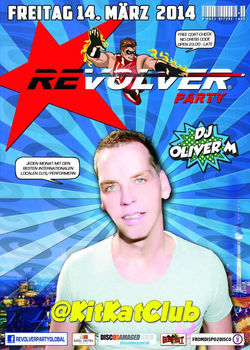
Oliver Mohns, better known as DJ Oliver M, was German electronic music artist recognized for his energetic DJ sets and passion for underground dance music.
With roots in Germany’s vibrant club culture, Oliver M. has built a reputation for blending deep house, techno, progressive, and melodic electronic sounds into immersive musical journeys that connect with audiences on and off the dancefloor.
Known for his precise mixing style and strong musical intuition, Oliver M. creates sets that balance driving rhythms with atmospheric textures, delivering experiences that are both emotionally engaging and high in energy. His performances reflect a deep appreciation for electronic music culture and a commitment to keeping the spirit of authentic club music alive.
Over the years, Oliver M. has performed at clubs, private events, and electronic music gatherings, steadily growing his presence within the European dance music scene. His dedication to evolving sound selection and modern production influences continues to shape his identity as a versatile and forward-thinking DJ.
Whether performing intimate underground sessions or larger festival-style events, DJ Oliver M. brought passion, professionalism, and a distinctive sound that resonated with electronic music fans across generations.
 |  |  |  |  |
|---|---|---|---|---|
 |
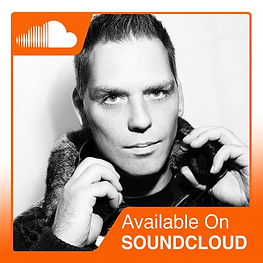


Argentine-born DJ and producer Ariel Belloso — better known simply as Ariel — is widely regarded as one of South America’s most influential electronic music exports. With a career spanning more than 35 years, he has performed in over 50 countries, sold more than 2 million records worldwide, and built a reputation as one of the most technically accomplished DJs of his generation.
Born in Rosario, Argentina, Ariel grew up surrounded by nightlife culture through his family’s nightclub business before beginning his professional DJ career at just 15 years old. After establishing himself across Argentina and Ibiza during the late 1980s and early 1990s, he relocated to London in 1991, where he became a major force within the city’s rapidly evolving underground club scene.
Throughout the 1990s, Ariel developed a distinctive sound that fused hard house, trance and techno with Latin percussion, African rhythms and polyrhythmic grooves. His explosive marathon DJ sets at legendary London venues including Bagley’s Studios, Fabric, Turnmills, Heaven and Ministry of Sound helped shape the energy and direction of the UK club scene during its golden era.
Frequently praised by fellow DJs for his exceptional mixing technique and instinctive understanding of dancefloor dynamics, Ariel became known for driving, tribal rhythms and deep percussive grooves long before those sounds entered the mainstream.
His groundbreaking single “A9” made history as the first release by an Argentine artist to enter the UK Top 40, while his productions and remixes appeared on influential labels including A&M Records, London Records, EMI and Ministry of Sound.
Alongside an extensive international touring career and more than 40 club residencies, Ariel also launched his own label, MyDust, further cementing his legacy as a pioneering figure in global electronic music. His influence continues to resonate through generations of DJs drawn to his unique fusion of Latin soul, hypnotic groove and underground London energy.


Dr Mu
Aka Noël Fuchs
Dr Mu, born Noël Fuchs, was a much-loved figure on the London club scene and one of the underground pioneers of hard trance during the 1990s. Originally from Strasbourg, France, he moved to London in the mid-1980s, where he became deeply immersed in the city’s vibrant nightlife and electronic music culture.
Known for his energetic, hypnotic sets and unmistakable underground sound, Dr Mu held residencies at legendary London venues including Heaven and Turnmills. He also performed across the UK and Europe, earning a loyal following among clubbers who appreciated his harder, more atmospheric style of dance music.

Alongside DJing, Dr Mu produced and released a number of influential tracks throughout the late 1990s and early 2000s, including Qaanaaq, Be Silent and Moontrigger. His music blended driving trance rhythms with dark, emotional textures, helping shape the sound of London’s underground dance scene during its most exciting years.
Even as trends changed, Noel remained dedicated to the music and continued performing in smaller underground venues almost until the end of his life. He was remembered not only for his talent behind the decks, but also for his warmth, individuality and passion for the club community he loved so much.Dr Mu passed away in 2014, but his music and legacy continued to live on through the memories of the dancefloors he helped ignite and the people whose lives he touched.


